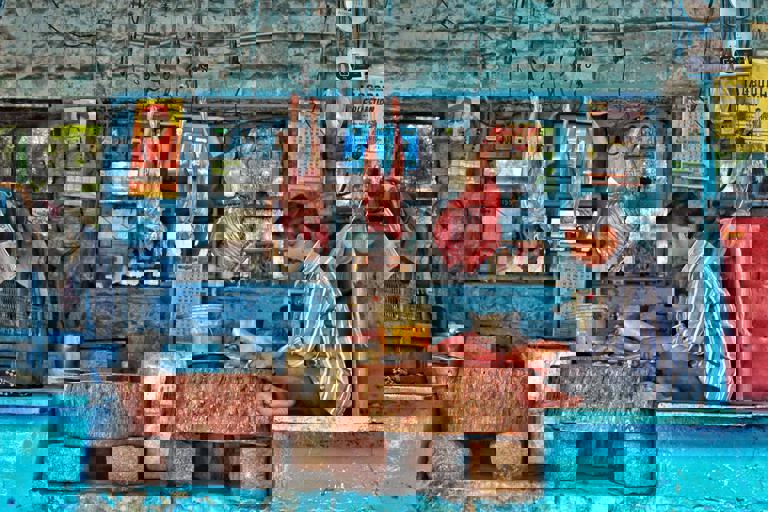
Neighborhood butcher shops are facing mounting challenges as beef prices continue their upward climb. For both shop owners and loyal customers, this trend is sparking concern. The primary culprits are ongoing supply chain disruptions and the surge in transportation costs affecting the delivery of beef products. Many small butchers, long seen as community staples, now grapple with difficult decisions regarding pricing and inventory management to stay afloat in a volatile market.
The origins of these price hikes can be traced to several interrelated issues. Logistics bottlenecks, persistent labor shortages at processing plants, and increased fuel pricing have combined to disrupt normal supply flows. According to the Canada Beef market analysis, the price of wholesale beef has risen by over 15% compared to the previous year, putting extra pressure on smaller retailers more sensitive to cost changes than large chains.
Transportation, a key component of the supply chain, has been especially problematic. Industry insiders say trucking shortages and higher gas prices have made moving cattle from farms to processing facilities—and ultimately to butchers—more expensive than ever. "We're paying a premium just to get consistent deliveries," says Martin Gauthier, owner of a longstanding local butcher shop. "Sometimes, even when we pay more, delays still occur."
These added expenses are not absorbed by the supply chain alone. Butcher shops report that they are forced to pass at least some of the increased costs onto customers. The result is notably higher prices on popular cuts like ribeye and tenderloin, making beef a more significant outlay for families. While butchers strive to limit price increases and maintain customer trust, the reality of tight margins means they have few alternatives.
Customers have begun to notice the changes each time they shop. Regulars who once purchased larger quantities are now buying less, with some shifting to less expensive cuts or alternative proteins altogether. Jessica Miller, a frequent shopper, notes, "I love supporting my local butcher, but with the price of steak these days, I have to reconsider what’s on my family’s menu." The cumulative effect is a tangible shift in shopping habits and dietary choices.
Butcher shops themselves are feeling squeezed from both ends. Not only must they contend with higher purchase and operating costs, but the decreased volume of sales as customers cut back also bites into their profits. For new butchers or smaller independent operations, these pressures can threaten their very survival. Some have had to reduce staff hours or adapt their business models just to stay afloat against these economic headwinds.
Industry organizations have sounded the alarm, calling attention to the vulnerability of local food businesses amid broader disruptions. The Canadian Federation of Independent Grocers recently issued a statement advocating for government intervention and support, arguing that without targeted relief, many local butchers could be forced to close their doors. "Our food independence relies on resilient local businesses," the statement emphasized, "and they need immediate aid to withstand these shocks."
Meanwhile, some butcher shops are finding creative ways to cope with higher costs. Strategies include sourcing beef from smaller, local farms to reduce transportation dependency, shifting toward more diversified product offerings, or launching loyalty programs to retain customers. While these approaches can offer some relief, they also require up-front investments and pose their own risks, particularly in a strained economic climate.
The impact on employees cannot be ignored. Many workers at local butcher shops are experiencing uncertainty as owners tighten budgets, delay wage increases, or temporarily cut hours. For some staff, this creates real anxiety about job security. "It's tough not knowing what next month will bring," shares Marcello D'Angelo, a butcher with ten years of experience. "Our customers are our community, but we have to look out for ourselves too."
Looking forward, the meat industry is keeping a wary eye on broader economic factors. Economists say ongoing challenges—such as global trade disruptions and climate-related impacts on livestock feed—could prolong higher beef prices for months, if not longer. This uncertainty complicates planning for both butchers and customers. Experts suggest that adaptation, flexibility, and strong community relationships may be the keys to weathering the storm.
At its heart, the issue goes beyond just numbers; it touches upon the fabric of local communities. Butchers have served not just as shops, but as gathering places where customers trust the expertise and dedication of skilled professionals. As industry pressures mount, preserving these local businesses may require collective action from governments, industry groups, and communities themselves to ensure these time-honored establishments continue to thrive amid evolving challenges.