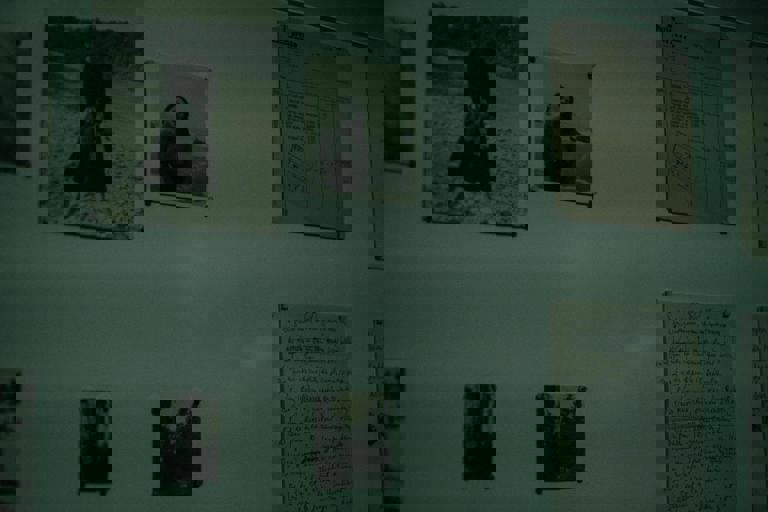
A bustling city square is being transformed this week as a new pop-up historical exhibit opens to the public, captivating passersby with untold stories from the city’s past. Organized by a collaboration of local museums and community historians, the exhibit unveils a remarkable collection of rarely-seen photographs, artifacts, and first-person accounts that shed light on neglected chapters from the area’s diverse history. Crowds are already gathering, eager to rediscover forgotten narratives that helped shape the city as it is known today.
The exhibit’s curators emphasize that their goal is to make history accessible to everyone, especially those who might not regularly visit traditional museums. Situated in the heart of the city’s busiest pedestrian zone, the display invites people of all backgrounds to pause and engage with key moments that haven’t always been included in mainstream historical accounts. According to lead curator Helen Ansari, "By meeting people where they are, we hope to spark conversations about the many communities whose stories often go untold."
Among the highlights of the exhibition are sepia-toned photographs capturing daily street life in the city’s early immigrant enclaves, alongside handmade tools, clothing, and household items donated by local families. These tangible pieces tell deeply personal stories of resilience and adaptation, offering visitors a sense of connection with the individuals who lived through remarkable social and economic change. Interactive displays allow guests to listen to the voices of descendants, bringing the distant past into vivid present-day context.
In addition to photo displays, the exhibit features a series of panels describing pivotal but overlooked events, such as labor strikes led by newly arrived immigrant workers and the quiet activism of women in suffrage movements. Eye-opening stories about the city’s early Black and Indigenous residents foreground the lasting impact of their contributions. These panels are the product of years of archival research and community outreach aimed at unearthing and verifying layers of history not always present in textbooks.
City officials and educators are also getting involved, recognizing the exhibit as a valuable educational tool for schools and youth organizations. Teachers have been encouraged to bring classes to the square for outdoor lessons, with guided tours tailored to different age groups. "This is a fantastic opportunity for our students to experience a more complete picture of our city’s past," said local school principal Michael Tran. "It brings history to life in a way textbooks alone cannot."
Many visitors express surprise and gratitude for the insights the exhibit provides. Longtime resident Anita Robinson shared, "I’ve lived here my whole life, but I never knew about the history of the garment workers’ union or the Japanese community’s struggles during wartime. It’s moving to see these stories finally recognized." On social media, museum organizers report a steady stream of enthusiastic posts and photos, multiplying the exhibit’s reach beyond the bounds of the square.
Volunteers play a pivotal role in the exhibit’s operation, engaging with visitors to answer questions, share additional anecdotes, and collect new stories from community members who might have their own pieces of the past to contribute. These oral histories will be documented and potentially incorporated into future editions of the exhibit, ensuring the project remains dynamic and inclusive. Organizers hope this living archive will continue growing as more residents share their experiences.
The pop-up historic exhibit is set to remain open for two weeks, with the possibility of extending its run depending on public interest. Plans are already underway to take the display to other public spaces across the city, making these overlooked stories ever more accessible. As city dwellers and tourists explore the square, they’re reminded that history is a living narrative, and that shining a light on these forgotten chapters helps foster a richer, more inclusive civic identity.